Agriculture drones were originally viewed as an experimental technology but have evolved into a requirement in today’s agricultural processes. Farmers are on the lookout for new technologies that provide increased quality, speed, and precision in response to growing labour shortages, unpredictable weather patterns, and growing demand for greater yields; agriculture drones are high-impact examples of such technology.
With hundreds of different models, specifications, and claims on the market, the central issue now becomes identifying what features and characteristics make up a quality agriculture drone.
The following represents the 5 key factors that help to distinguish between drones that offer meaningful farming solutions.
1. Precision Spraying Capability
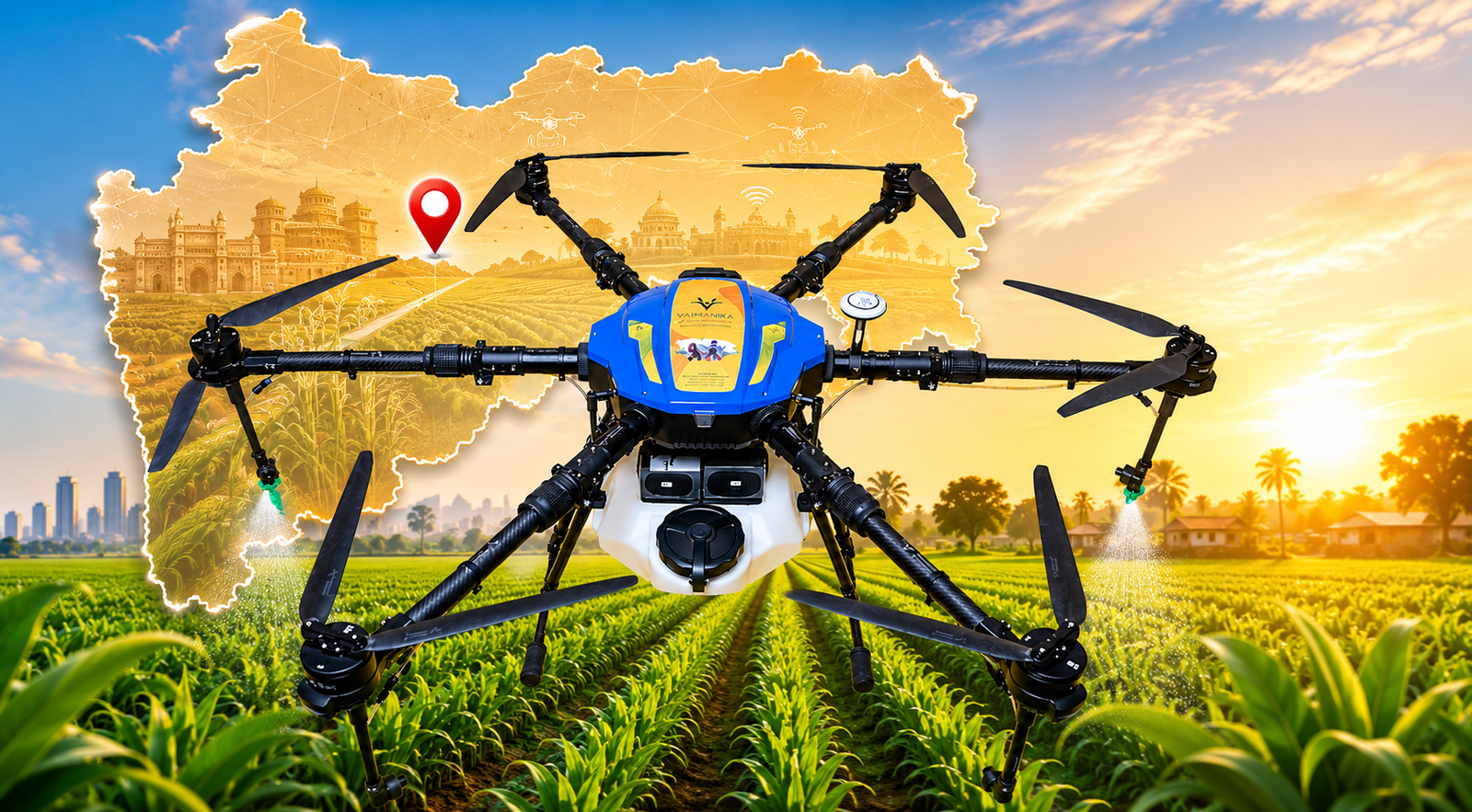
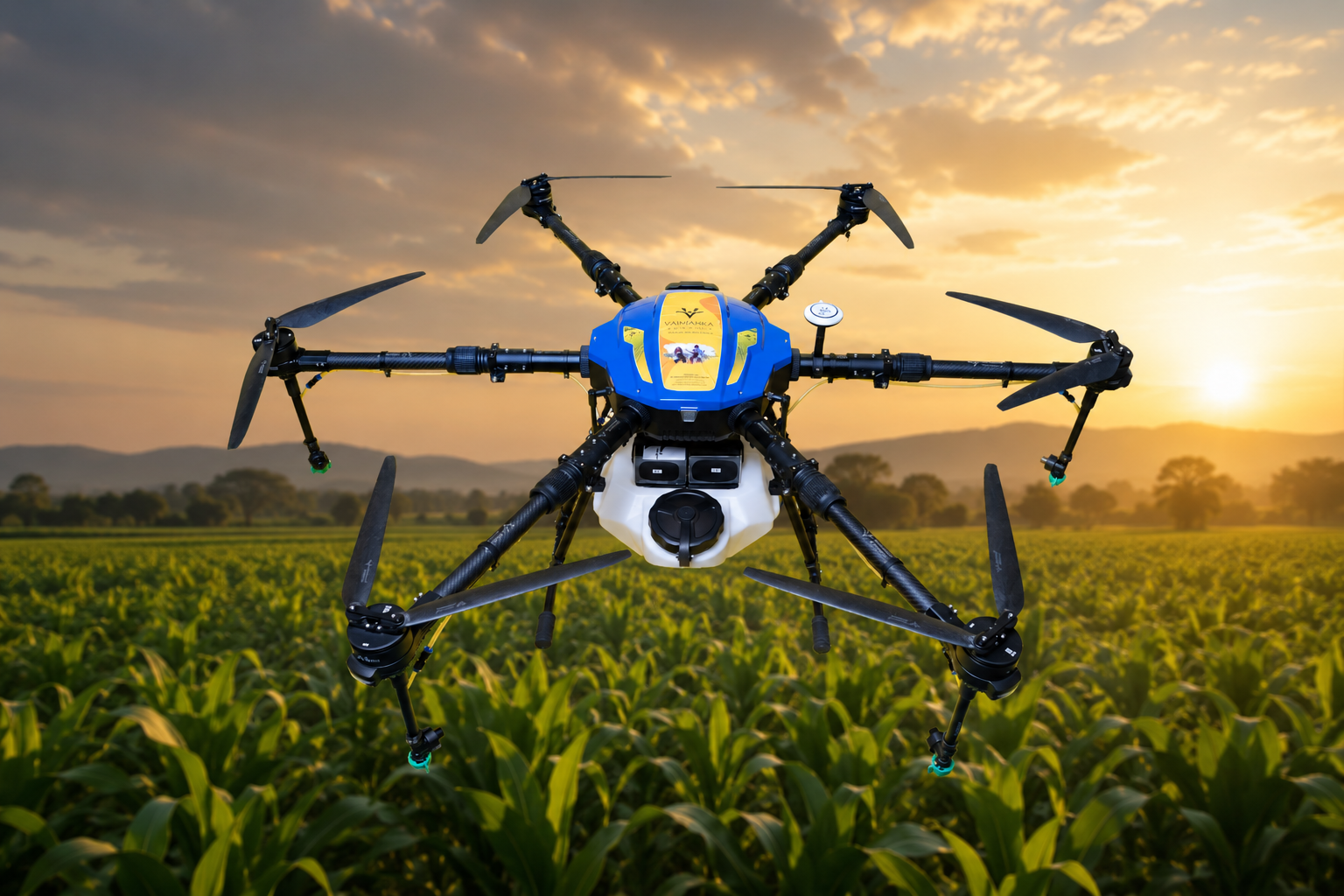
The primary function of the agriculture drone is to accurately deliver fertilizers, pesticides, and micronutrients via irrigation. Quality agriculture drones provide consistent droplet size, evenly dispersed spraying pattern, and consistent flow rates.
By using precision spraying technology on agriculture drones, growers can reduce chemical waste, eliminate over-application, and guarantee even application within the growing area. This is especially critical in cases of unevenly sized fields and/or farms that have varying degrees of slopes.
Agriculture drones fitted with high-performance nozzles, powerful pumps, and GPS-guided spray trajectories outperform traditional agricultural applications and contribute to healthy crops while helping to minimize negative environmental impacts.
2. Advanced Navigation Systems using GPS Technology
In order for agricultural drones to be useful in agriculture, the drone must have the ability to navigate accurately. The drone must navigate accurately in difficult conditions, such as areas with low signal strength, physical obstacles and irregularly shaped fields.
A high-quality agriculture drone should possess the following features:
- A Multi-Satellite GPS system
- An autonomous flight capability
- A Return-to-Home (RTL) function for safety
- A waypoint-based flight plan option
These features enable the drone to precisely fly along predetermined flight paths and provide the ability to completely spray an agricultural field without missing any areas. This enables safe operation of the drone with minimal direct assistance. The importance of precision in navigation is to ensure that precision in agricultural outcomes is a direct result.
3. Strong Engineering for Harsh Agricultural Environments
Agricultural environments are characterized by their harsh nature. Therefore drones used in agriculture must be engineered to withstand the elements. Dust, high temperatures, wind, and continual operation in agricultural fields contribute to the challenges faced by agricultural drones.
A high-quality agriculture drone should be designed with the following attributes:
- A strong carbon-fiber or composite frame
- A weather-resistant coating
- A stable flight performance in windy conditions
- A dependable landing gear for uneven terrain
If the drone is not well-engineered, performance will be negatively affected and therefore will result in an increased cost of maintenance for both the farmer and the drone operator. Through rugged engineering, the overall lifetime durability of an agricultural drone is increased and its downtime is decreased.
4. Long Battery Life
Effective farming requires the use of a durable and lightweight machine for spraying. A top-quality agricultural drone will have:
- A rechargeable battery with long run time/reserves
- Efficient energy consumption
- A swappable battery system that allows easy maintenance between uses
Having excellent battery management allows operators to cover more acres on each charge and reduces delays caused by battery-related issues. Battery management is one of the key factors that enable agriculture drone users to operate cost-effectively at scale.
5. Simple Maintenance & Support
Agricultural drones require a great deal of use during a single growing season. The inability to obtain quick support for maintenance needs can lead to significant downtime.
The ideal agricultural drone provides:
- Serviceable parts for simple part replacement,
- Spare parts available locally,
- An easy-to-use repair process
The reliability of after-sales support would be the best way to determine the continued performance of an agricultural drone over multiple crop cycles.
Conclusion
The best agricultural drone does not consist of a single feature; rather, it represents the ideal combination of precision spraying capabilities, strong navigation, a rugged construction, long endurance, and reliable transportation. These combined features result in lower labour expenses incurred through the spraying of chemicals, improved crop health, and increased productivity.
Vaimanika strives to deliver the best from their agriculture drones, contact us to learn more about the features and offerings.