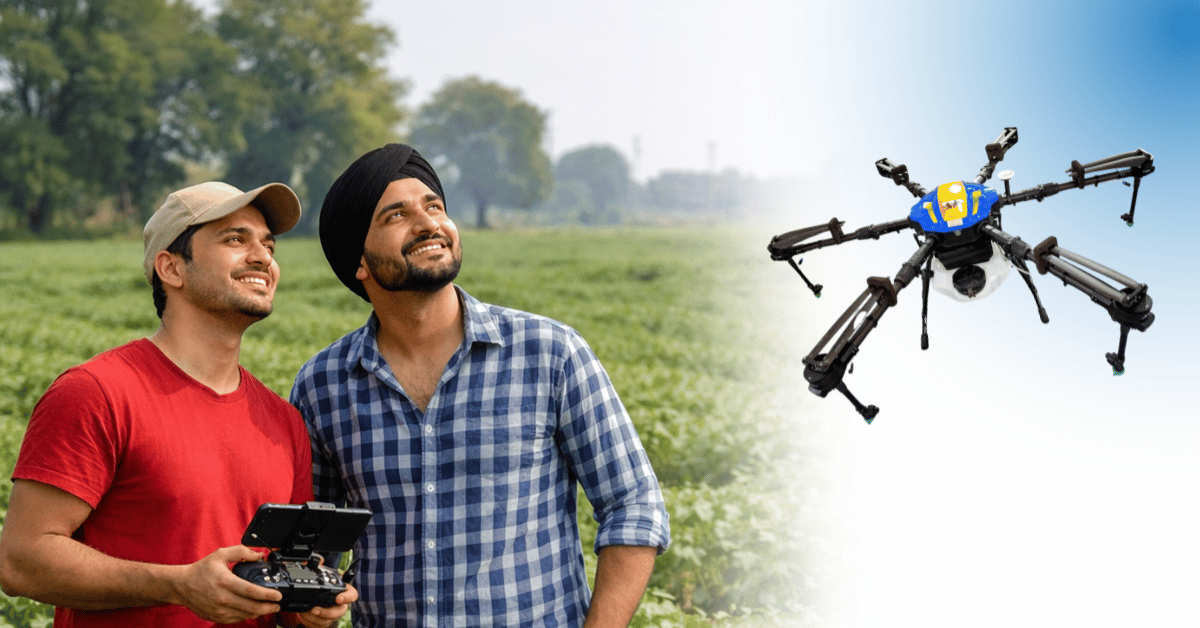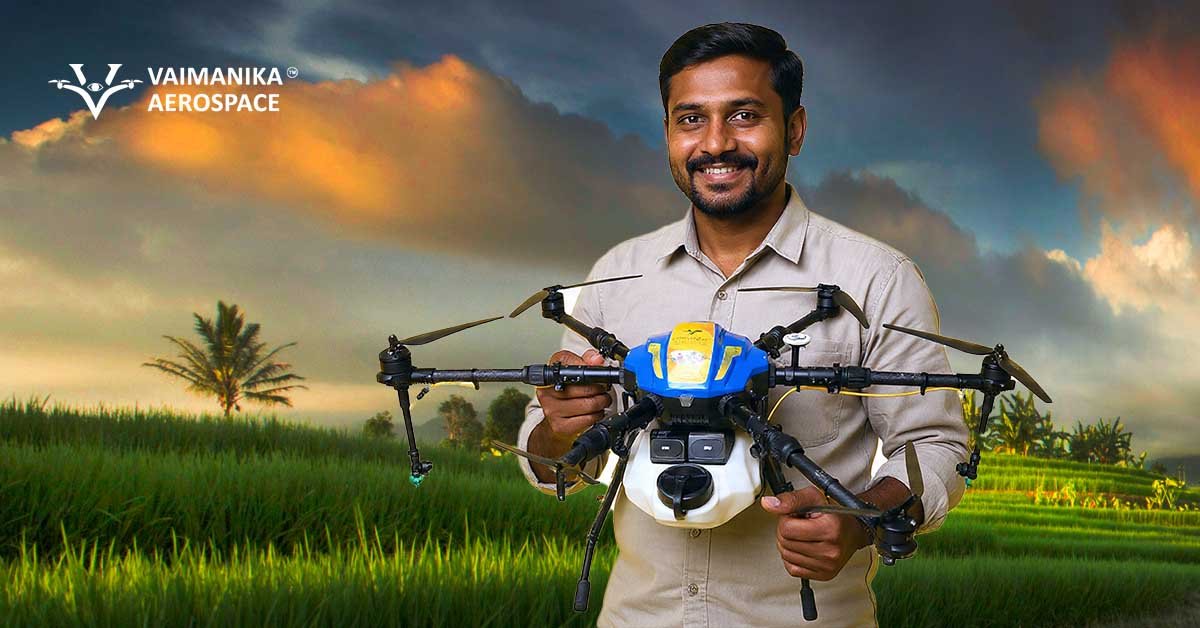

Farm input management in India has always been problematic for growers of all sizes. Common farmer problems include high input costs, variable weather patterns, labor availability, and crop coverage. These problems not only impact yields; they have a direct bearing on the profitability of the farm operation. Up to the current moment, however, the rise of agricultural drones completely eliminates all of the challenges associated with farm input management in India, providing farmers with the ability to carry out agricultural operations with a much greater level of speed, safety, and accuracy.
Agri-drones can empower farmers to manage agricultural inputs such as water, pesticides, and fertilisers. By using an agricultural drone, growers can not only reduce their reliance on manual labour but improve all the components of the spraying operation, such that the entire process can be measured and consistently monitored, resulting in increased safety and efficiency, improved profitability, and a better environmental impact on the crops. Let’s examine how agricultural drones have revolutionised the way growers manage their inputs throughout India.
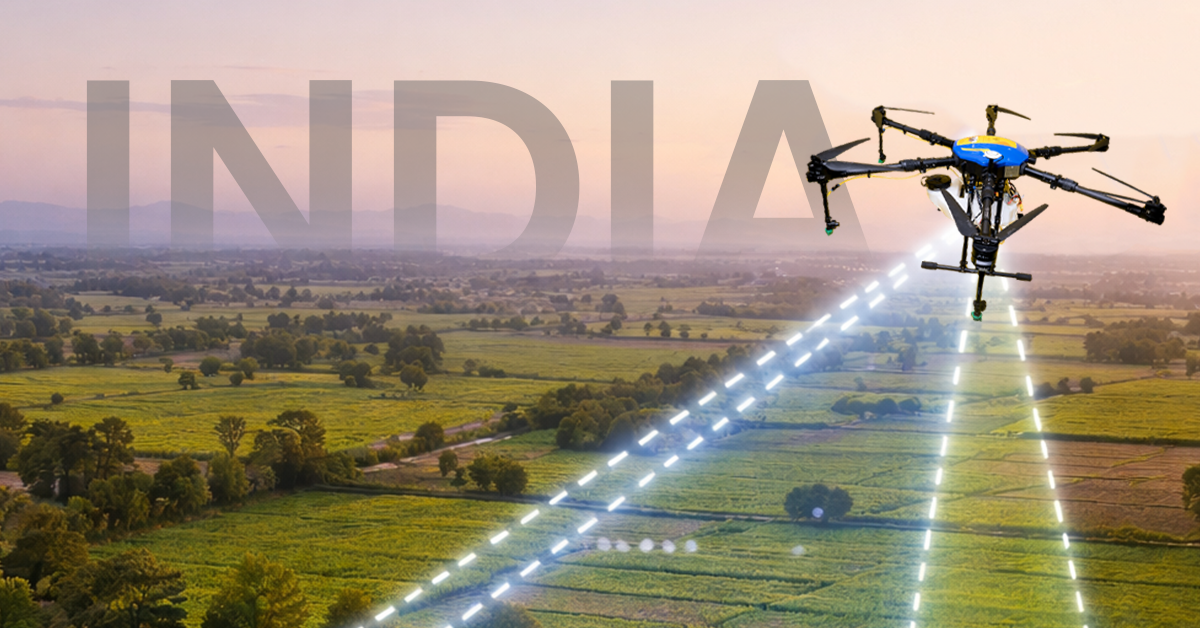
Agriculture drones allow growers to spray their pesticides using precision, meaning that every single droplet lands precisely where it is intended to; unlike traditional spraying methods, where spraying is often wasteful when applying chemicals based on visual estimates and assumptions about how the means of applying will affect crop health. With the use of agricultural drones, the size of droplets being sprayed remains uniform, as do the patterns of spraying; as such, the risk of drift is reduced significantly. Hence, growers can apply only the amount of chemical that is necessary for proper crop health, while minimising their risk of crop damage.
Time is of the essence in farming, and a minor delay of just one day in pesticide application can result in pest infestations and/or decreased productivity and income. Agricultural drones in India resolve these time delays by enabling tasks to be accomplished in record time, as opposed to requiring a full day for the application of chemicals, drones can accomplish similar work in minutes. Drones capable of chemical application generally allow for the coverage of 20-25 acres per hour, regardless of the conditions (difficult terrain, high temperatures, etc.).
Finding seasonal workers to perform pesticide application can be challenging and costly for farmers during peak agricultural time periods. Drones help eliminate agricultural labour shortages by providing a rapid, labour-free solution for farmers, permitting them to concentrate their resources on other time-sensitive priorities (like harvesting, irrigation planning, and crop monitoring).
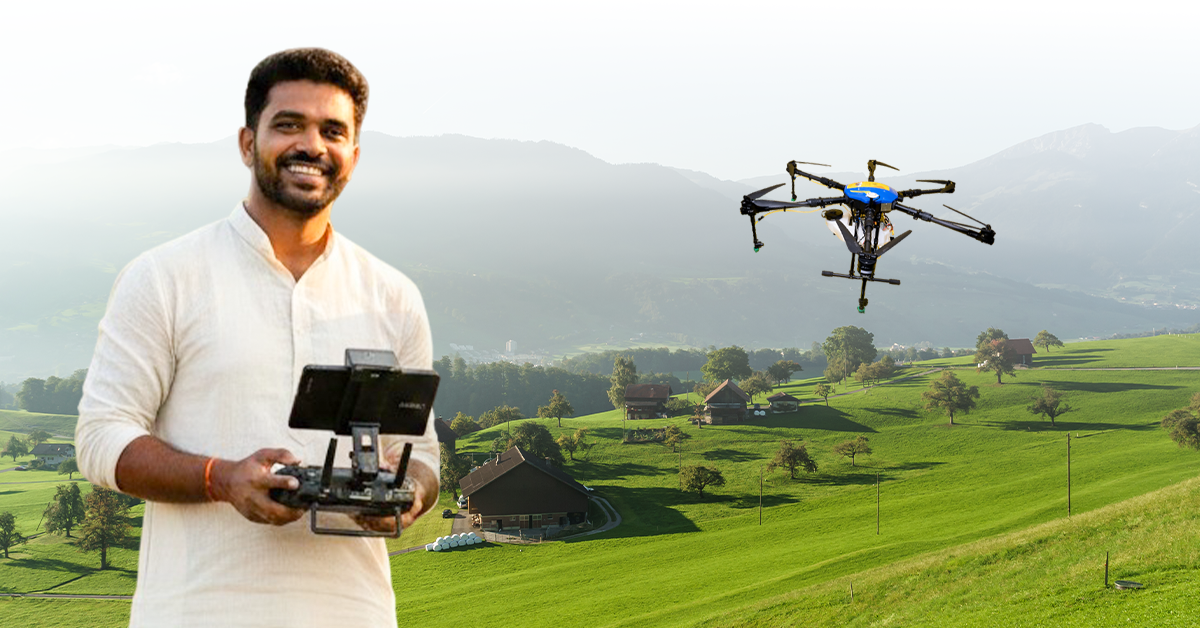
Agricultural drones provide a safer method of managing farm inputs, as it removes the physical proximity of the handler to the hazards associated with chemical spraying, i.e., chemical exposure, heat, dust, etc. By employing remotely operated agricultural drones to apply chemicals, farmers and/or pesticide applicators are at a safe distance from the operational site, consequently reducing the potential for health issues associated with chemical exposure whilst providing a more comfortable work environment.
Additionally, agricultural drones provide farmers with significant cost savings by improving input application efficiency, thereby reducing the amount of pesticide, water, diesel fuel and labour used over time; resulting in dramatically increased profitability for the agricultural producers over time.
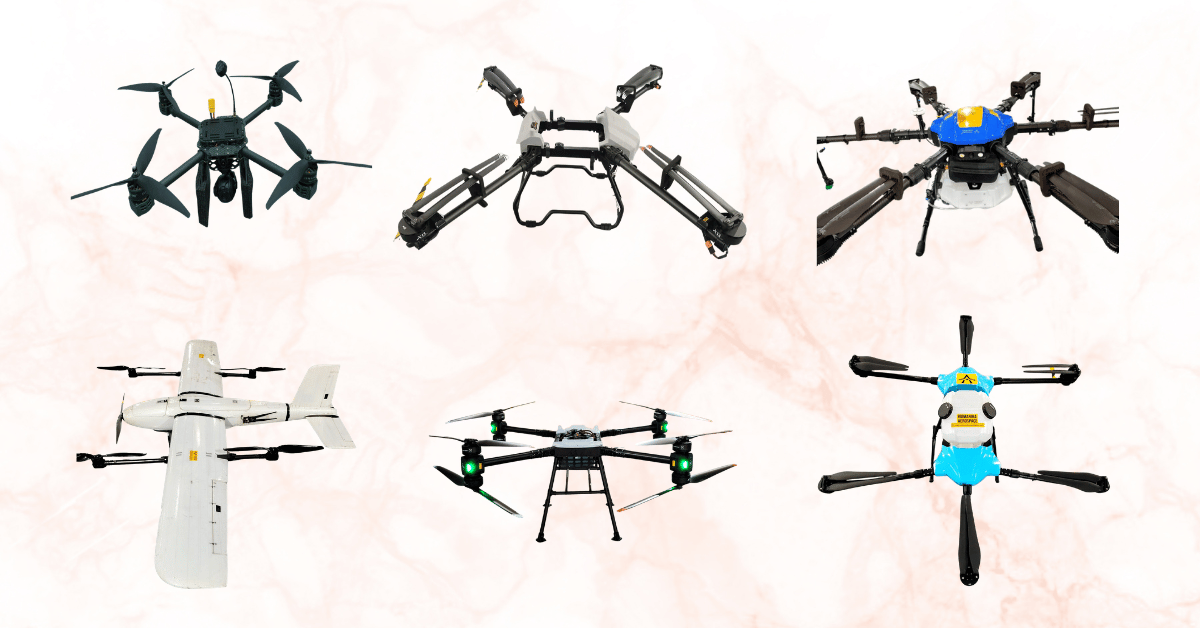
Advanced drones often have sophisticated sensors and imaging equipment, which gather important pieces of data about crops, such as early detection of pests, identification of nutrient deficiencies, moisture map, and a complete analysis of the overall crop health. Having access to this real-time data allows farmers to make better decisions about their farming practices, rather than relying solely on guesswork. As such, the move toward data-driven farming is very important to achieving and maintaining long-term sustainability within the industry.
Agri drones now also help conserve the environment. By eliminating the application of unnecessary chemicals via the use of agri drones, agri drones can prevent soil compaction and runoff. Thus, by protecting the natural ecosystem, agri drones will allow for the continued sustainability of the agricultural industry but will maintain a high rate of productivity.
In summary, agri drones are changing the way many farmers around the world manage their production inputs. Drones provide benefits such as speed, precision, safety, cost savings, and data insights, thus enabling agriculture to become an industry that is more efficient and ready for the future. The growing rate of agri drone adoption will allow agri drone technology to play a central role in the next agricultural revolution in India.
Get the chance to work with the best agriculture drone manufacturing company in India. Contact us today.