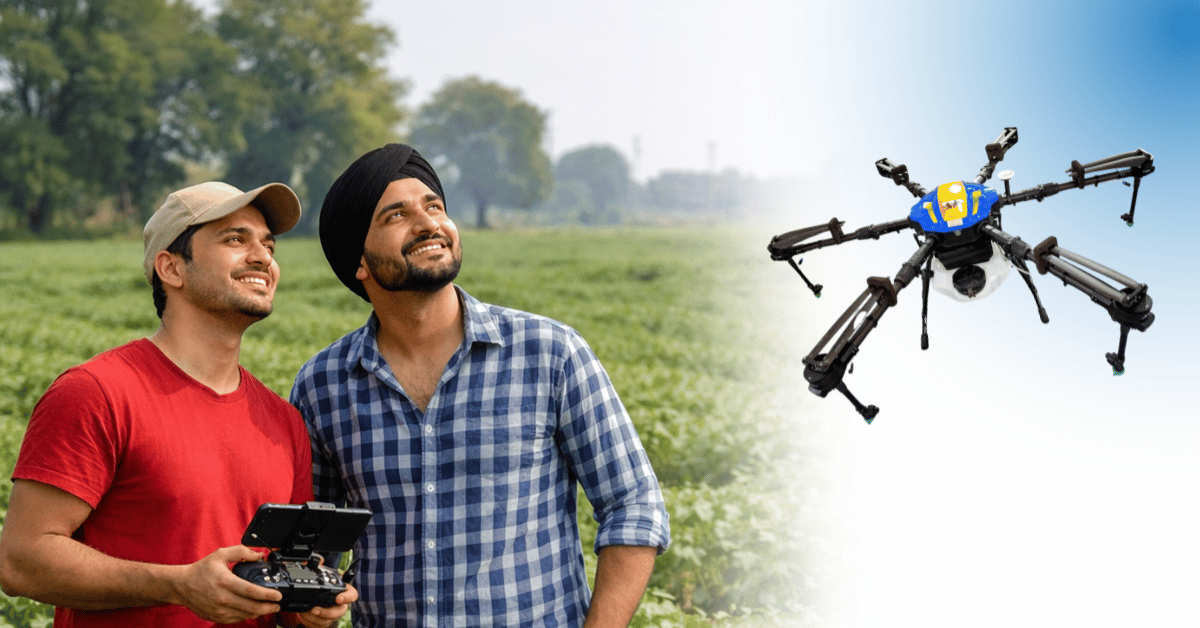
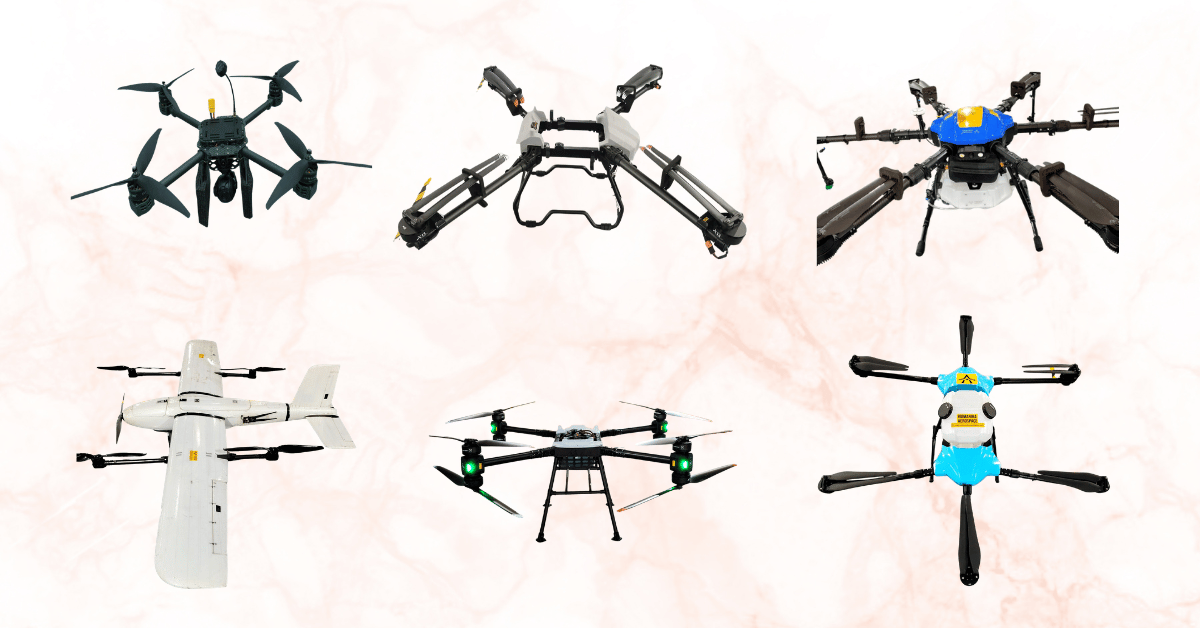
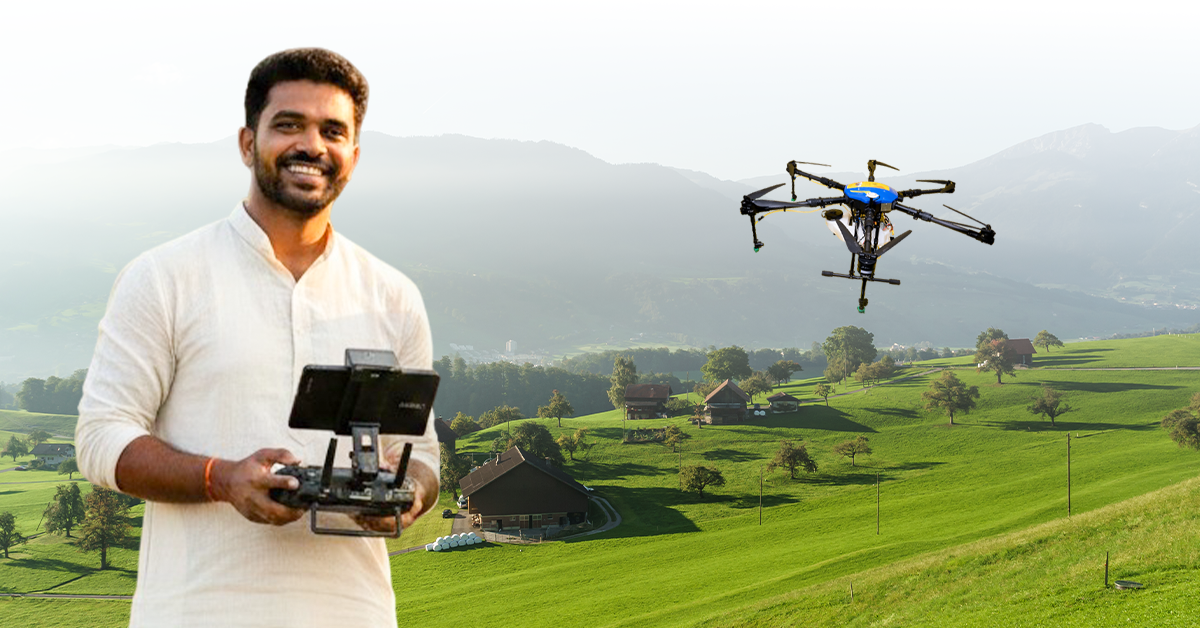
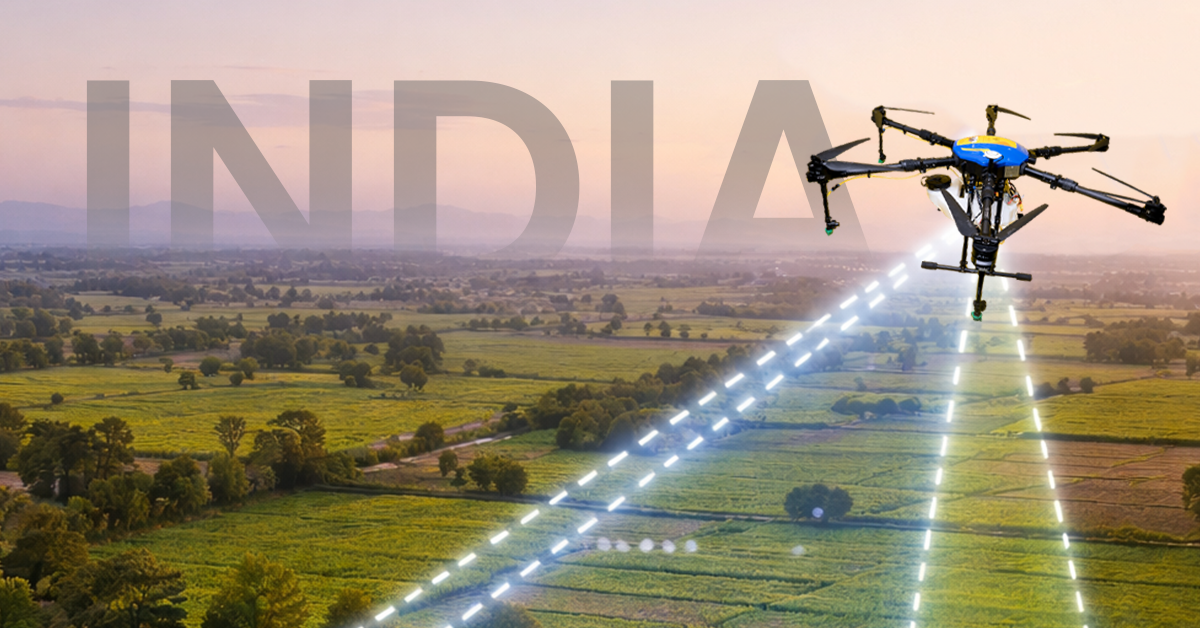
Increased interest in agricultural drones among many individuals may create a perception that this represents an opportunity for near-term income; however, the key to success within this industry will come from creating a sustainable agriculture drone business model that generates steady revenue streams throughout the year, responds to varying weather conditions and builds long-term relationships with farmers based on trust.
Sustainability does not mean simply selling agricultural drones; it means creating a partnership between the business, its customers and their community by providing services, support, education, and establishing local relationships. Below are some of the most important factors that comprise a truly sustainable agriculture drone business.
1. Build a Service-Based Revenue Model Rather than a Product-Based Sales Model
Building a sustainable agriculture drone business requires offering services as opposed to just selling products. The agricultural market requires drone applications for multiple applications over extended periods – crop spraying, calibration, troubleshooting, and maintenance.
To provide drone spraying services, you will need to charge a per-acre fee, along with providing seasonal maintenance and on-field demonstrations. Building an income stream that is recurring provides a way to smooth business cash flow over the entire year without having to rely only on the sale of new drones. By only concentrating on the sale of drones, your drone business could face difficulties as the demand for drones begins to diminish.
2. Build a Local Presence and Establish Your Trust With Farmers as an Agricultural Drone Business
Trust is an essential component of successful agricultural operations. When operating a drone business, farmers prefer working with local drone service providers who understand their regional farming conditions, soil types, types of seasonal crops and related challenges.
Operating in a defined geographic area, you will create strong long-term relationships with local farmers by providing quick response times to farmer’s needs as well as providing physical support in the field. Trust leads to repeat bookings for drone services, referrals from satisfied customers and continued year-round demand for agriculture drone services regardless of the local agricultural market fluctuations.
3. After-Sales Support and Maintenance
Drones are working instruments, not display pieces. With many hours of drone operation in the field, drones will experience normal wear and tear due to normal use of drones. In order for a drone service to remain sustainable in agriculture, there are many things to consider, including spare parts, qualified technicians, and access to rapid repair services.
By minimising the amount of downtime, the farmer will continue to utilise the drone service without interruption. In addition to minimising the amount of downtime for a farmer, by investing in technical capability and serviceability, these businesses retain more customers and build a good reputation over a long period of time.
4. Operator Education and Skill Development
Operator education and skill development make up another essential support system for the sustainability of drone services. Drone operators who are trained and skilled operate drones with greater efficiency, create improved operational safety, and prolong the operational life of the drone.
Drone companies that have a training program for pilot operators, as well as operational and safety training for equipment use, are building a solid base for growth. Additionally, these trained operators allow companies to grow by servicing more acres, servicing more customers, and providing more drone services.
5. Farming’s Seasonal and Regional Requirements
Because agriculture occurs at certain times of the year, it is seasonal in nature. A sustainable drone manufacturer in India keeps this in mind by providing services to numerous crop types, regions, and applications like pesticide spraying and drone mapping, and also by providing supporting services like demonstration programs until peak season ends.
Through flexibility, an operator can customise its services according to demand, climate conditions, and crop growth stages. This flexibility keeps the business active throughout the year.
6. Regulatory Compliance, Approval, and Safety Requirements
Just as important as the factors that contribute to sustainability over time is the factor of compliance. By operating drones that are registered and certified, including all legal requirements and government assistance programs, the operation runs smoothly and instils confidence in the grower. Additionally, because certified drones are legally compliant, they minimise risk to the grower and allow the drone company a better reputation in the marketplace.
Final Thoughts
A sustainable agriculture drone service business is established by having a model based on repeating the services performed to establish local credibility, and by having technicians with the technical skills and abilities to operate the drones with both reliability and adaptability. When an agriculture drone company is focused on establishing a reliable support system for growers season after season, rather than on making a quick profit, it becomes a business that evolves from a seasonal business to one that is a strong player in the evolving technologies of modern agriculture. When combining technology with service/support and training, and commitment over time, agriculture drone service companies can continue to grow with modern growers and move from being short-term prospects to being long-term viable and established companies.